
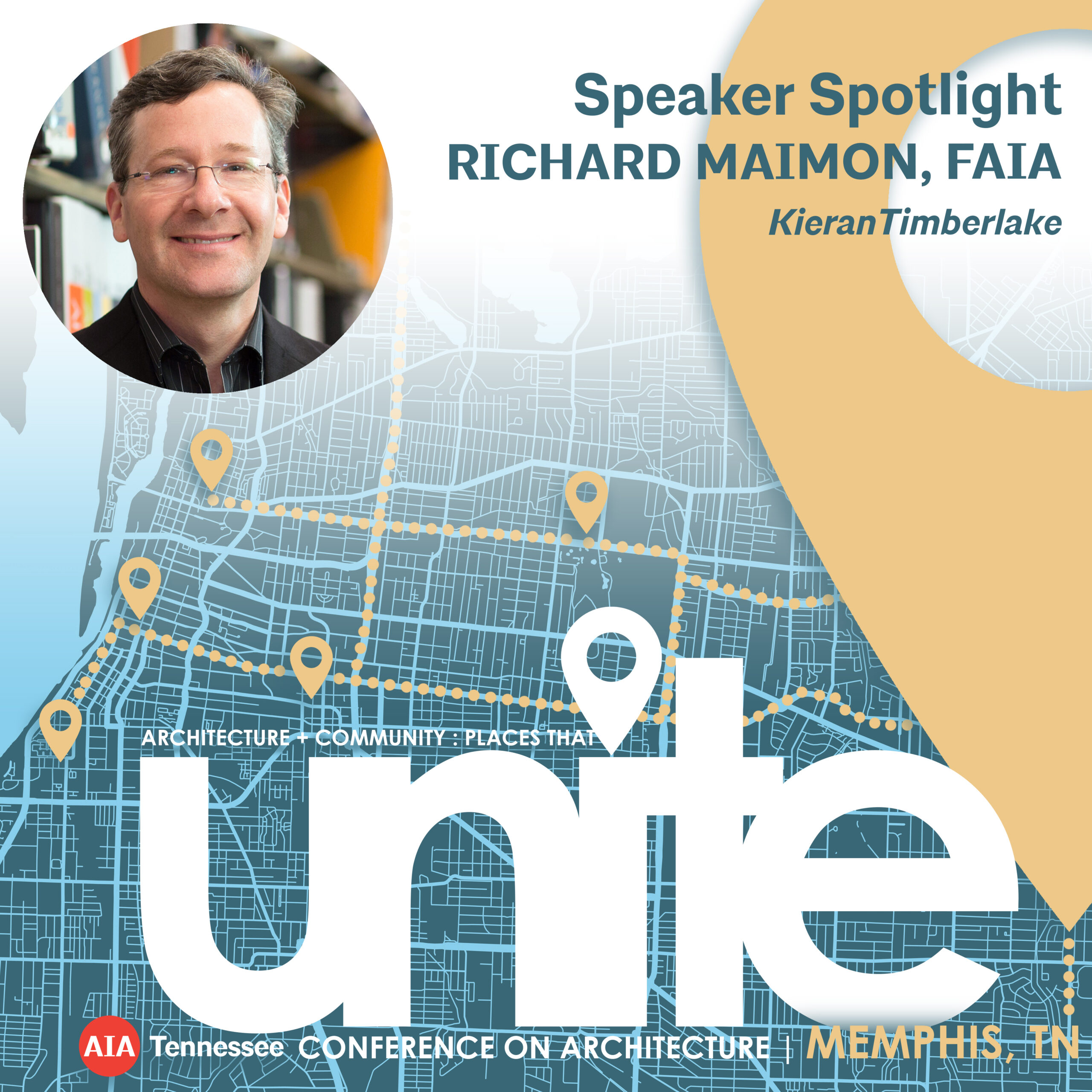
Interview with Richard Maimon, FAIA, LEED AP BD+C
Partner, KieranTimberlake
Our next speaker spotlight features architect Richard Maimon, partner at KieranTimberlake, an award-winning architecture firm recognized for its environmental ethos, research expertise, and innovative design and planning. In more than thirty years leading projects at the firm, Richard has worked to move architecture forward while creating projects that are deeply rooted to place and culture.
Richard advocates for innovation and has spoken internationally, reframing what is possible in architecture through investigating design processes, culture, public engagement, tectonics, sustainability, and construction methodology. He has also addressed building within historic precincts and the role of architecture in diplomacy. Richard has served on many academic and design juries including the 2022 World Architecture Festival Super Jury and chairing the national AIA Architecture and Twenty-Five-Year Awards. His commitment to community has led Richard to volunteer for nonprofit organizations, including leadership positions on the boards of the Arden Theatre Company, a leading regional theater in Philadelphia, and the Northern Liberties Business Improvement District.
Read more about Richard in our Q&A below.
First, would you give a short summary of what you’ll be speaking about at the AIA TN conference and its importance for architects?
Picking up on the theme of the conference, my talk will focus on building community and connecting people through innovative and engaged programming, planning, design, and detailing at four scales: building, campus, city, and diplomacy. The increased divisiveness and isolation in contemporary culture make the need for connectivity through architecture and design more pressing than ever.
Your work clearly values community engagement, sustainability, and tectonics. How are you able to make sure all these goals are successfully integrated in the project at completion? Would you give some project examples where it has been the most successful?
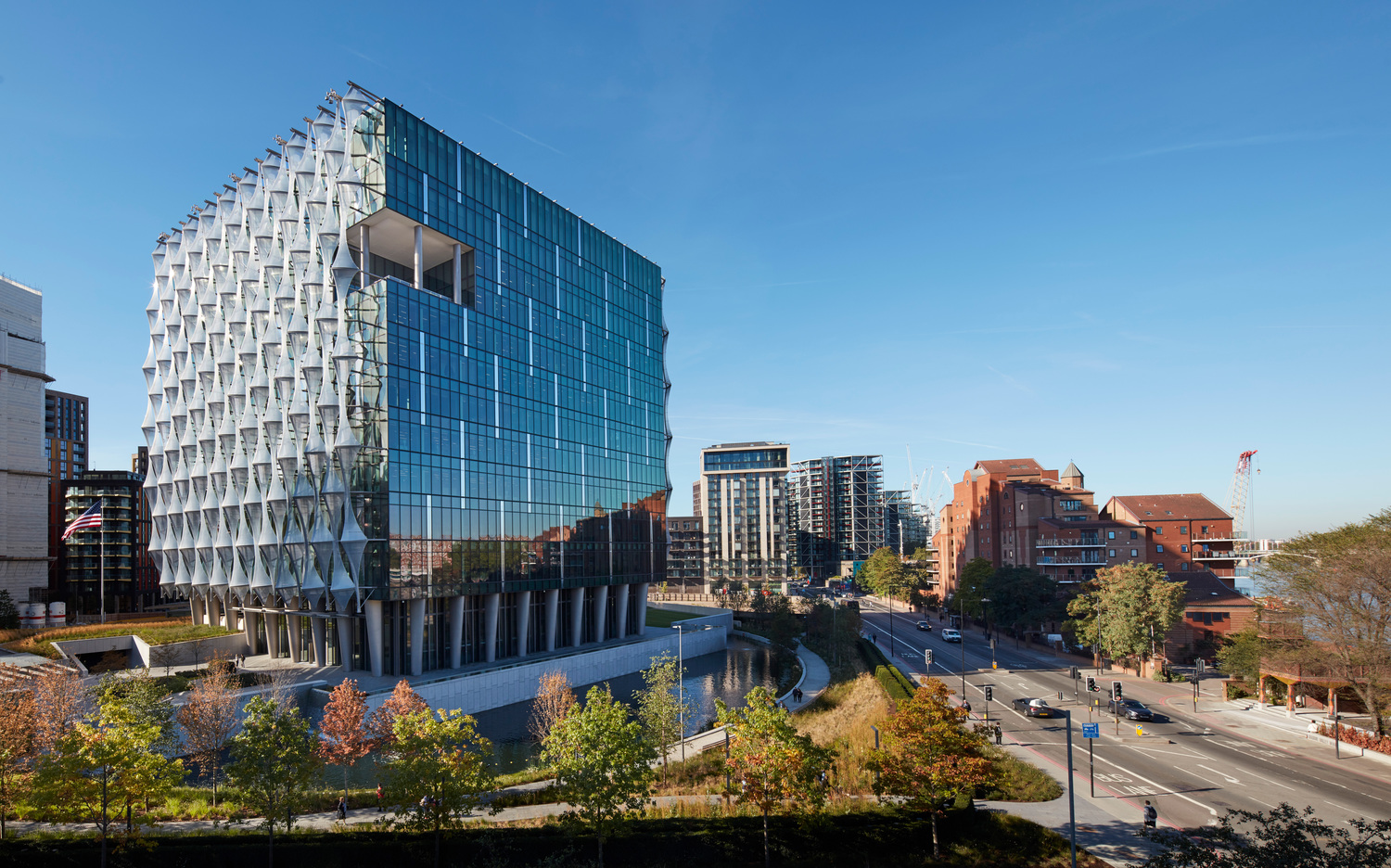
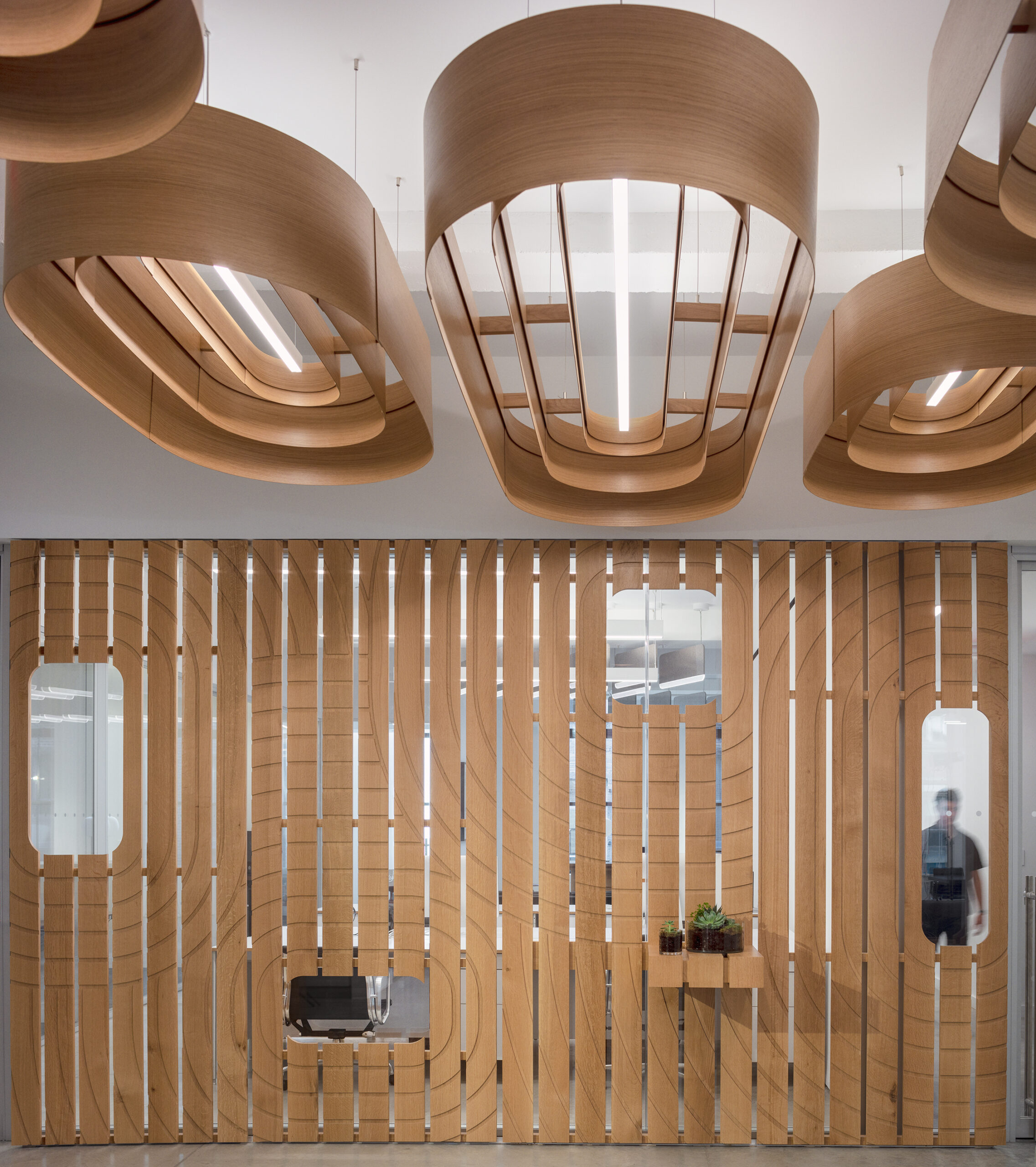
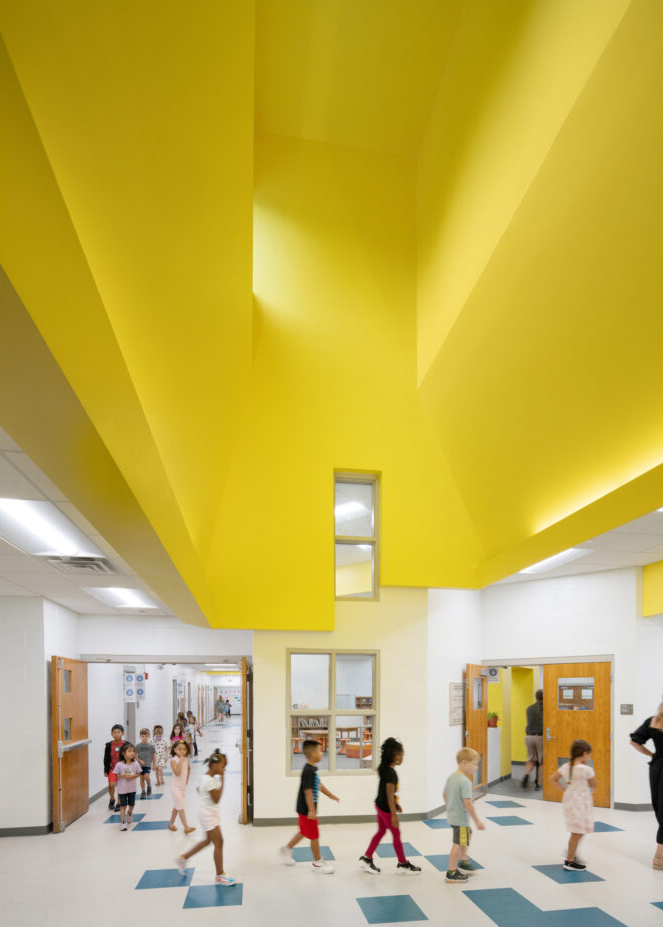
My talk will focus on four projects where engagement, sustainability, and tectonics are defining characteristics: Paulson Center at New York University, East End Transformation at Washington University in St. Louis, Dilworth Park in Philadelphia, and the US Embassy in London. These goals were met through a collaborative, participatory design process where multiple objectives are explored simultaneously and holistically.
In your experience working on these types of projects that enrich the community, what have been your greatest rewards, challenges and/or valuable lessons you’ve gathered?
It is always wonderful to see a project realized after a long period of design and construction; the Paulson Center at NYU opened eight years after the design team’s engagement. But the greatest reward is witnessing the impact on those the project is meant to serve. Seeing the students of the Tisch and Steinhardt schools perform on the Paulson Center’s stages and throughout the public spaces has been inspiring to all of us involved with the project. The building points to the future for NYU and its students, creating a platform for learning, for exploration, and for interchange in ways that may be unimaginable now.
What has been the biggest lesson your firm or you personally have learned from the pandemic for your design practice?
We shifted quickly to fully virtual means of collaboration during the pandemic, and I think we were effective. Certainly, the elimination of unnecessary in-person meetings is a positive result of the pandemic, saving carbon and time. But the energy and creativity that flows naturally from being in the same space together was lost. We now ask people to be in the office four days per week with one remote day, and it is working very well.
Now that travel and social gatherings are officially back, where and what have you made a point to go and do?
I am happy to say I traveled more in 2022 than in any other year. In terms of spending time, my wife and I have made a point of attending more live performances here in Philadelphia and when traveling. Nothing replaces the interchange between audience and artist during live performance, regardless of genre or scale. I am on the board of a regional nonprofit theater and our number one concern is bringing audiences back.
Would you share some advice to younger architects or those new to architecture about the profession and the process of design?
One of the lessons I have learned from working with a wide variety of client types is that verbal communication is as significant as visual communication in architecture – words are as important as images and listening is as important as making.
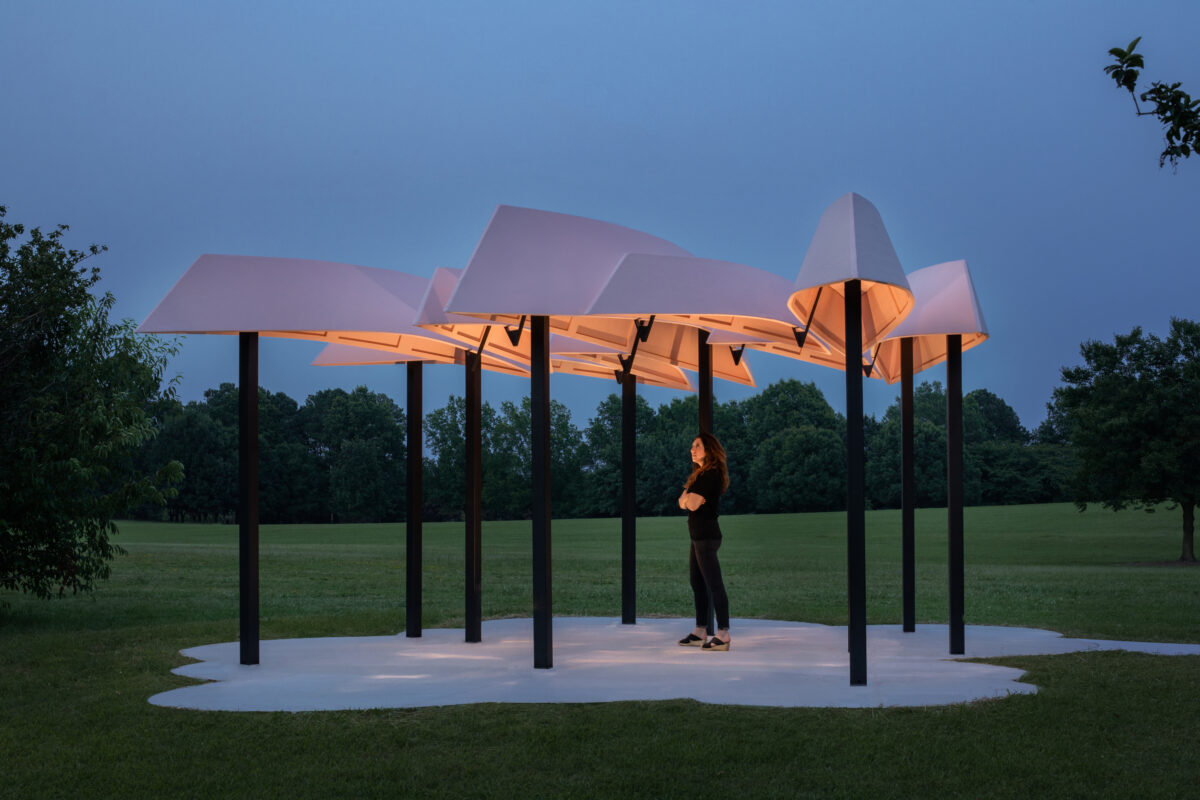
All project images courtesy of KieranTimberlake
2023 AIA Tennessee Conference on Architecture
After living with the isolation of an ongoing pandemic, how can we celebrate, explore, and learn from spaces that bring people together and promote joy in a community setting. The types of spaces that showcase some of the greatest human accomplishments – from performance to food to hospitality. We want to highlight the places that unite rather than divide.
Richard Maimon, FAIA, LEED AP BD+C will present his session on Friday August 4 at 11:00 AM – 12:00 PM.